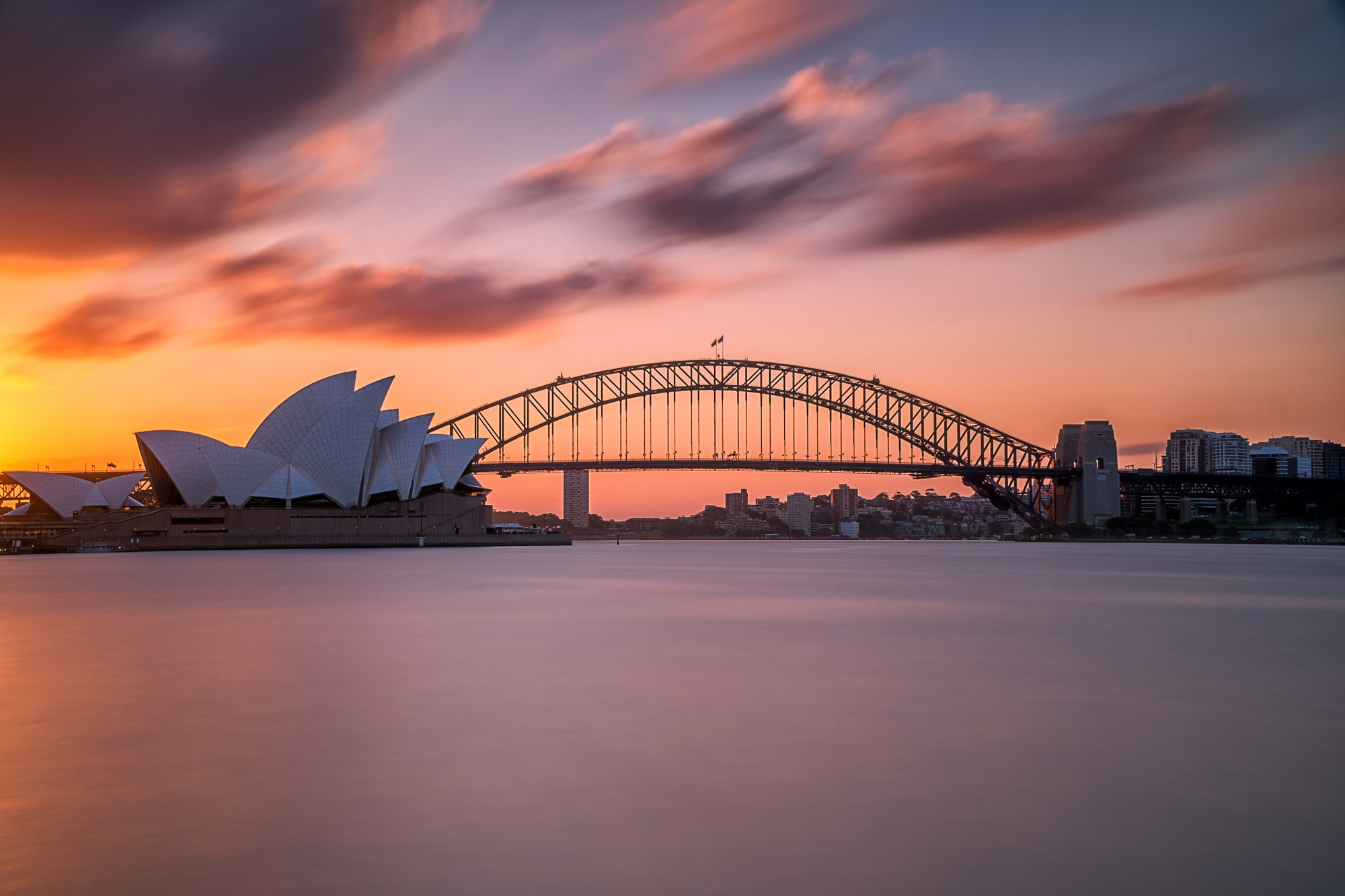
Australia is the smallest continent, also known as Oceania, and the sixth largest country by land area. It is located in the Southern Hemisphere, situated between the Indian and Pacific Oceans. With a population of about 25 million, over 80% of Australians live in cities, mainly in the eastern regions. Here are some noteworthy facts about Australia:
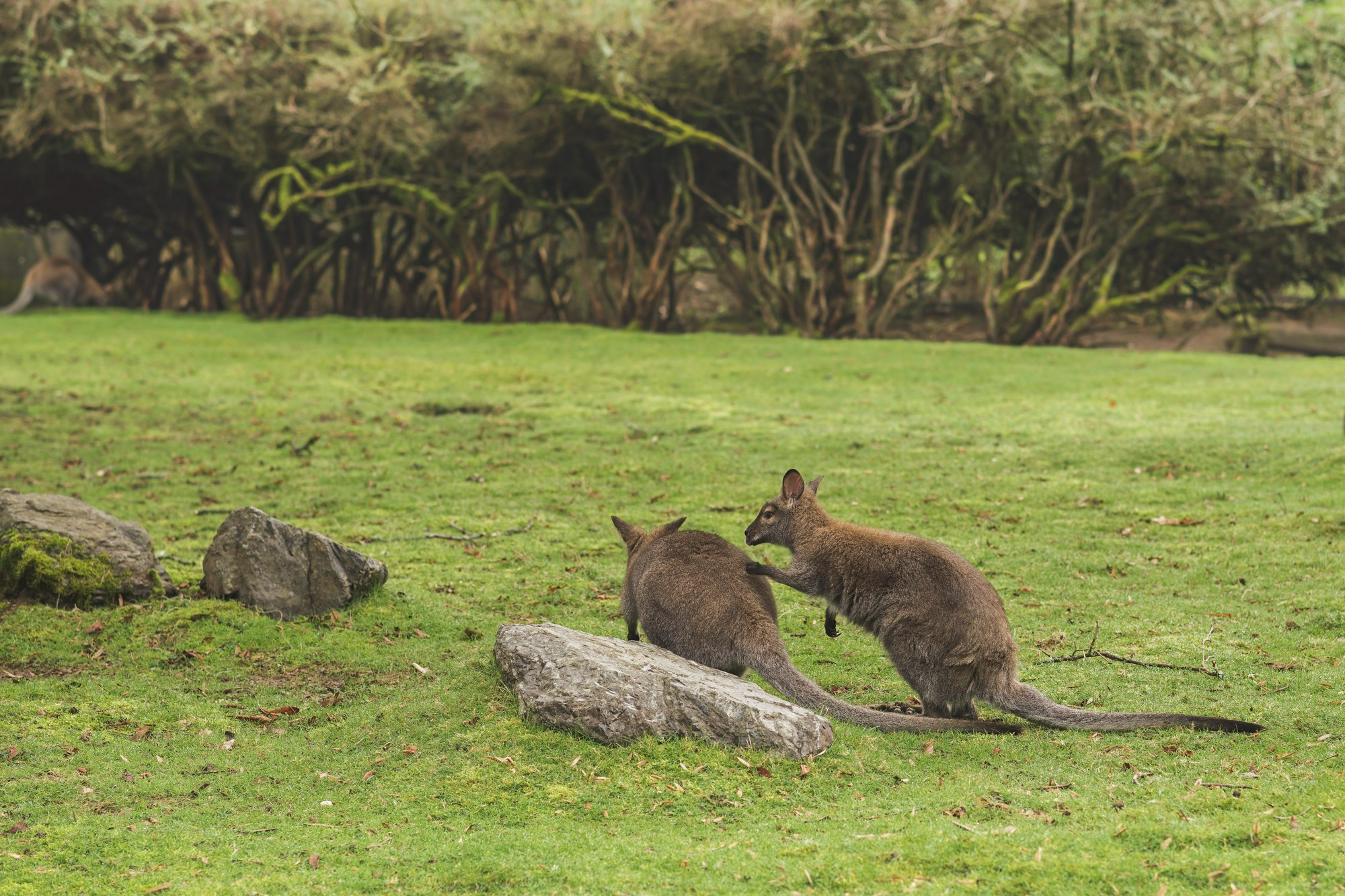
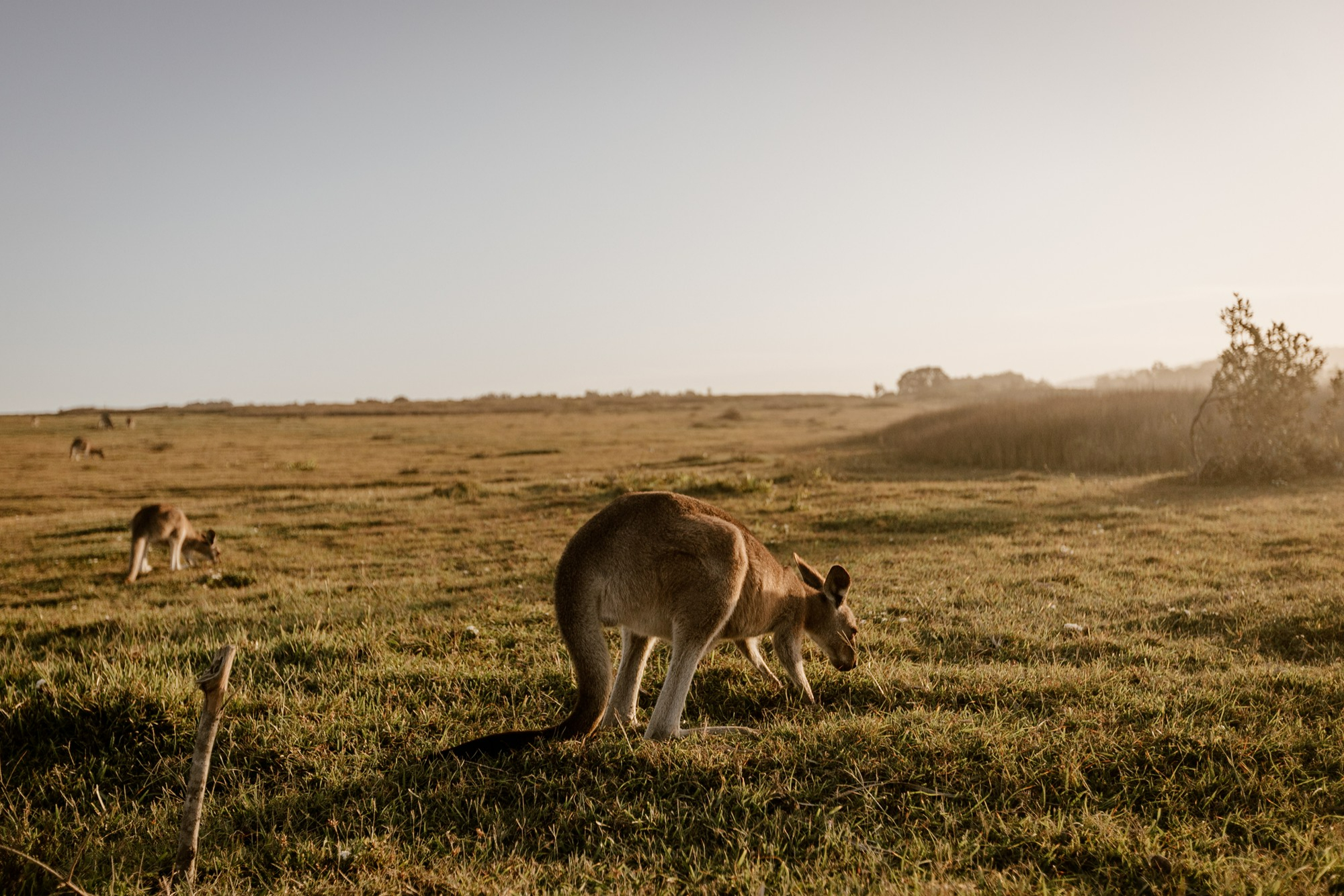
It is the largest island in the world and boasts more than 10,000 beaches. Unique wildlife such as kangaroos, koalas, and platypuses are native to the country. Tasmania, one of its states, is known for having the cleanest air and water. Each year, Australia attracts over 7 million international tourists. More than 70% of Australians regularly participate in sports. Additionally, 27% of the population are migrants. Australia and New Zealand share an agreement that allows their citizens to move freely across borders.
Australia ranks as one of the top three destinations for international students, attracting over 600,000 enrollments each year. Its appeal lies in its pleasant climate, lively cities, highly regarded academic institutions, and excellent living standards.
Australia features 43 universities that offer Bachelor’s, Master’s, and Doctoral degrees. Eight of these universities are listed among the world’s top 100. They provide a wide variety of courses in fields such as Science, Management, IT, Commerce, Finance, Technology, Law, Health Sciences, Engineering, and Humanities.
The Australian Qualifications Framework (AQF) guarantees that qualifications are accredited and recognized. The Education Services for Overseas Students (ESOS) safeguards student rights and welfare, making degrees from Australian schools respected and valued by employers worldwide.
Cities like Sydney, Melbourne, Brisbane, and Adelaide are known as some of the most livable in the world. They offer high living standards with advanced technology in transportation, healthcare, education, and housing. Additionally, Australia provides grants, bursaries, and scholarships to eligible students, helping to lower tuition and living expenses.
Australia has hundreds of educational courses available at undergraduate, postgraduate, and doctoral research levels. These programs are offered through universities, colleges, Vocational Education and Training (VET) schools, and Technical and Further Education (TAFE) centers.
International students can work up to 20 hours per week while studying and can work full-time during holidays and breaks. This allows students to help cover living costs and gain valuable work experience. Depending on their program and location, students may also qualify for a post-study work option lasting 2, 3, or 4 years.
In Australia, education is provided through public and private universities, colleges, vocational education and training (VET) schools, and TAFEs. The Australian Qualifications Framework (AQF) ensures that all levels and qualifications meet quality standards. The different levels of programs are as follows:
The educational system in Australia emphasizes practical learning that aligns with job market needs, ensuring that graduates are prepared for employment. Teaching combines thorough instruction with hands-on practice using advanced technology.
The Australian education system is structured according to age groups:
At IG Overseas, we provide expert guidance to help you navigate the student visa process and embark on a life-changing educational journey
WhatsApp us
