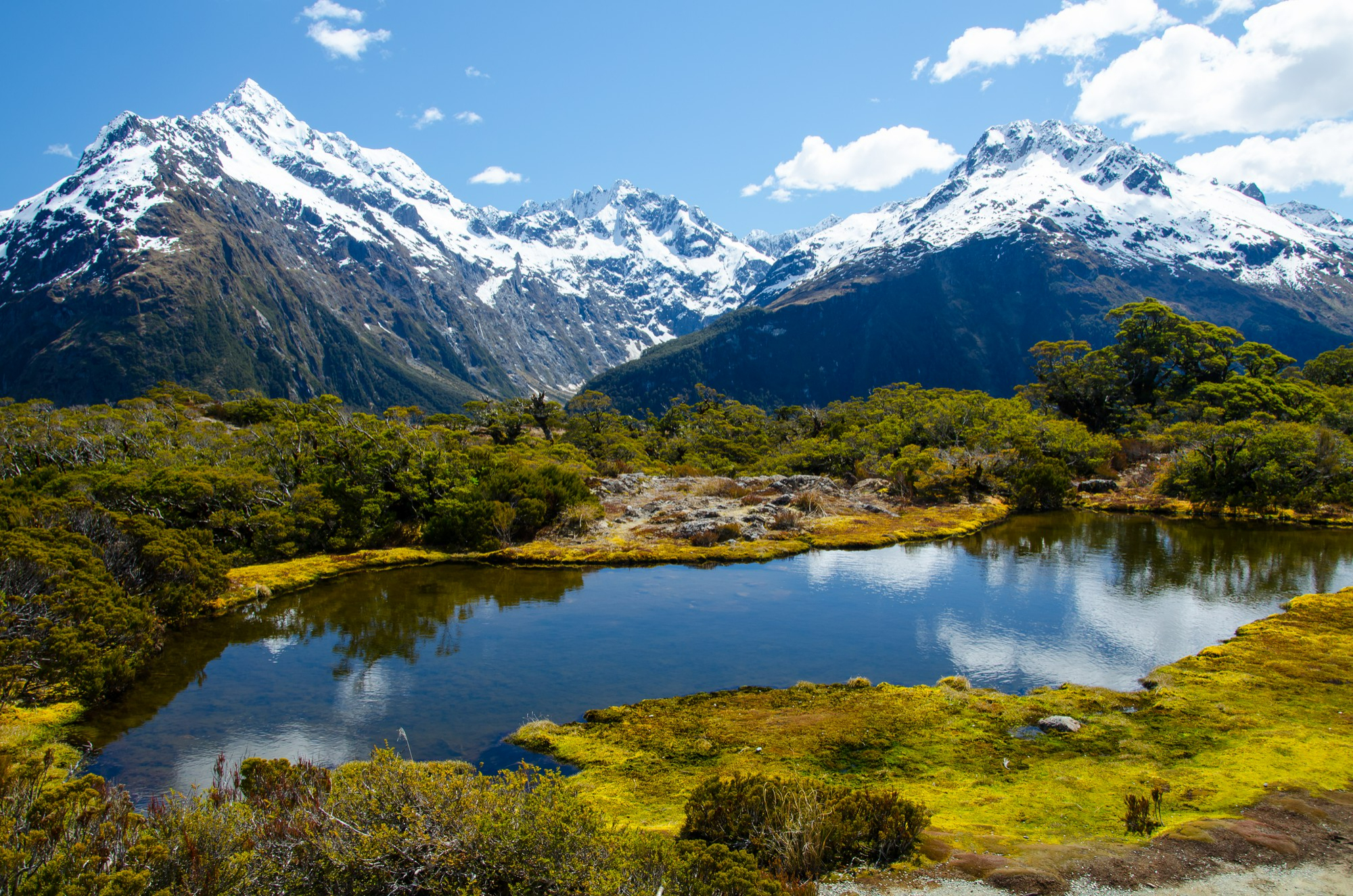

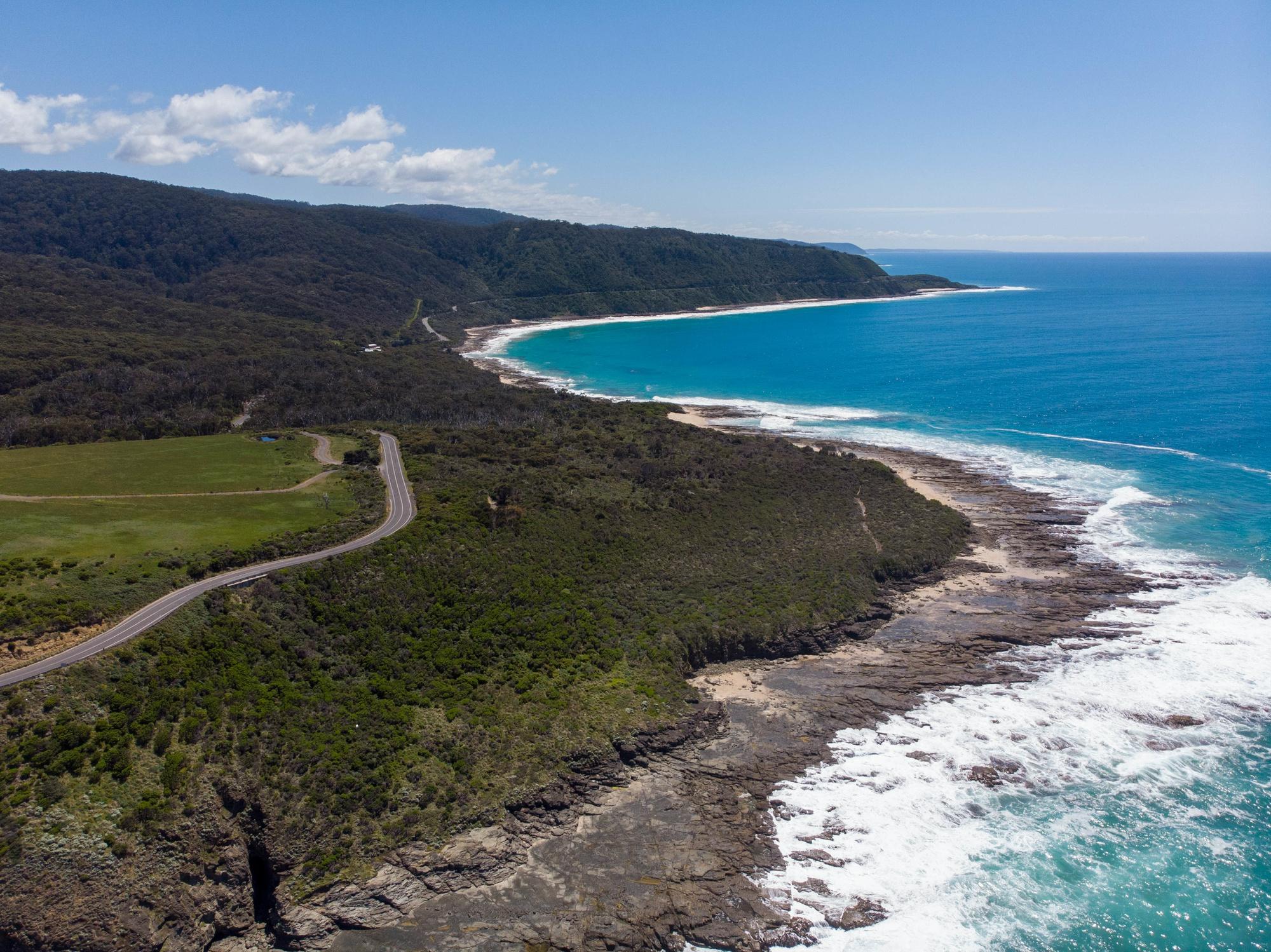
New Zealand is an island nation situated southeast of Australia in the Pacific Ocean. It consists of two main islands: North Island and South Island. Known for its stunning natural beauty, the country excels in areas such as health, education, economy, quality of life, transportation, climate, and technology. Over 85% of its population, which totals around 5 million people, resides in urban areas, where they are recognized for their happiness, relaxed demeanor, and warm hospitality. Here are some interesting facts about New Zealand:
It was ranked 2nd in the Global Peace Index in 2019 and is considered the least corrupt country worldwide. The nation is famous for adventure sports, particularly bungee jumping. With a population of 5 million, it has fewer residents than Ahmedabad. Most people live in coastal regions. The northern part of New Zealand has a subtropical climate, while the south experiences colder weather. There are no snakes found anywhere in the country. New Zealand has an open border policy with Australia for its citizens.
New Zealand is a top choice for international students. It is known for its respected qualifications, strong educational system, stunning natural scenery, and relaxed lifestyle. Here are some reasons to consider studying in New Zealand
New Zealand’s schools are known for their high-quality qualifications and relevant courses. All eight universities are ranked highly in the QS World Rankings. The New Zealand Qualification Authority (NZQA) oversees schools to maintain educational standards. The education system follows the British model, and the entry requirements for courses are generally easier
Tuition fees in New Zealand are lower than those in the USA, UK, or Australia. This allows students to earn well-regarded qualifications without high costs. Living expenses, including housing, transport, leisure, and food, are also reasonable.
New Zealand offers a comfortable lifestyle, with a mix of cultures, beautiful landscapes, various food options, and plenty of recreational activities. The cities are less crowded and noisy, featuring clean air and water. It ranks as the second most peaceful and least corrupt country in the world.
International students can work up to 20 hours a week during study periods and full-time during breaks. There are also options for post-study work and long-term residency for certain qualifications.
New Zealand's education system is divided into three main stages: Primary, Secondary, and Tertiary. Higher education is provided by universities, Institutes of Technology and Polytechnics (ITPs), and Private Training Establishments (PTEs). Class sizes are typically small, fostering a supportive academic environment that meets global standards. The New Zealand Qualifications Framework (NZQF) and the New Zealand Qualifications Authority (NZQA) oversee these institutions to ensure they maintain quality standards. Qualifications are categorized into ten levels:
Major intakes for courses occur in February and July, with a rolling intake in November; some colleges may offer additional intake options.
At IG Overseas, we provide expert guidance to help you navigate the student visa process and embark on a life-changing educational journey
WhatsApp us
